Lake Michigan Champions of Conservation
Behind the scenes, many individuals, organizations, businesses, tribes, and government leaders are initiating outstanding programs and policies to protect and enhance the lands and waters of the Lake Michigan Basin.
Annually since 2014, the Lake Michigan Champions of Conservation awards have honored outstanding environmental achievements of those who have gone beyond the normal scope of work on the restoration, improvement, or enhancement of Lake Michigan and its watersheds.
Our Champions of Conservation nomination deadline has passed, and our nomination form is not accepting responses.
Meet our 2026 Lake Michigan Champions of Conservation:
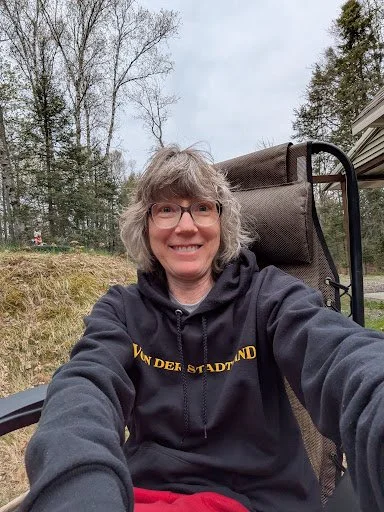
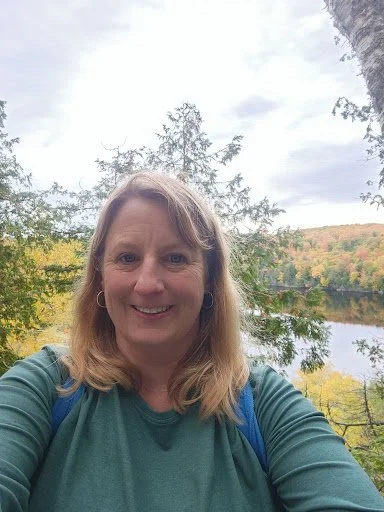
Starr Gerk
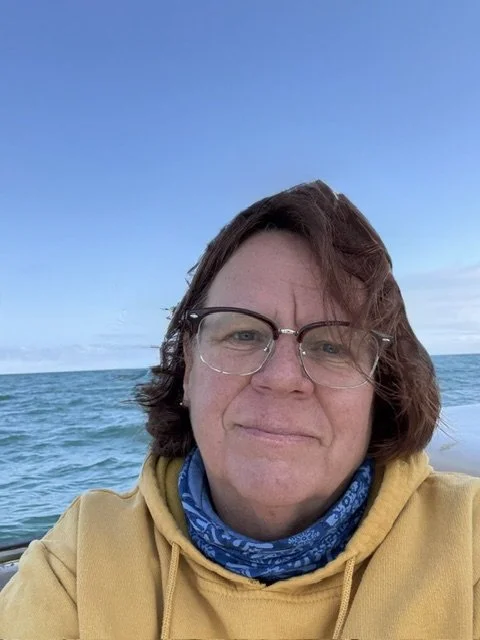
Starr Gerk grew up in Sheboygan along the shores of Lake Michigan, where summers spent at the beach with her parents and siblings—and later with her own children—fostered a lifelong connection to the water. She is passionate about clean water and educating the community on the issues surrounding Lake Michigan, and more specifically, the Sheboygan River Basin. Starr currently serves as the Board President of the Sheboygan River Basin Partnership (SRBP), where she is leading the charge to prioritize the group's work on the Sheboygan River AOC. She also co-founded Friends of North Point (FONP) where she was instrumental in creating a restoration and management plan for the bluff, with implementation ongoing. Starr is a huge advocate of native plants and has helped plant over 2,000 native plants in various locations within her community. Throughout all of this work, Starr is guided by her key values: collaboration, education and stewardship. In her free time she enjoys sailing, kayaking, beach combing, sewing, and crafting.
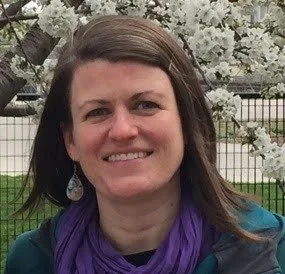
Joel Barthel
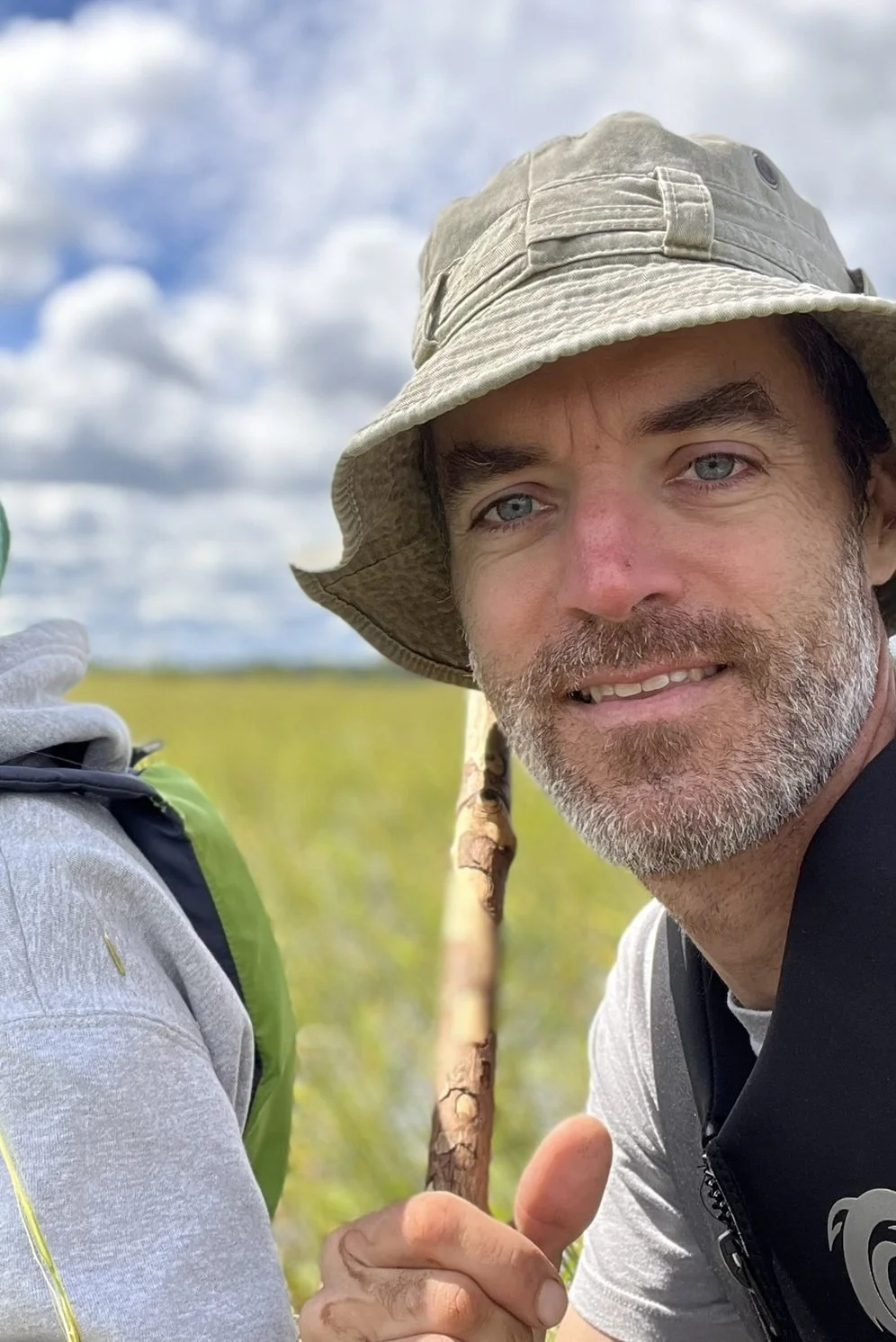
Joel’s voyage into environmental education and outreach launched with the implementation of an innovative freshwater chemistry course in 2009. Through this course, students conducted independent studies right out the front door of St. Francis High School’s lakefront via Sheridan Beach. He led student groups on educational data collections along the Oak Creek tributary and coordinated trips to the Jones Island wastewater treatment plant and aboard Milwaukee’s research vessel, the Pelagos. Just up the shore from there, he earned his master’s degree in Environmental Education from Concordia University Mequon.
Joel currently serves further up the lakeshore as a Science Instructor at Manitowoc Lutheran High School (MLHS), teaching Chemistry, Physics, and Environmental Science. He strives to provide students with experiences that connect their learning to the lives of others. This involves encouraging students to be curious, pursue independent learning, and act as stewards of their environment in response to the grace they have been shown in Christ.
During his time at MLHS, Joel has cultivated relationships within the community, secured generous funding for STEM research tools, and guided his students through hands-on "Student Designed Research Projects." These projects foster a deeper appreciation for the Manitowoc Stormwater System, Manitowoc River, and Lake Michigan, while simultaneously promoting concrete community action to protect these resources.
Voyaging beyond the classroom at MLHS, Joel coaches cross country and mentors a FIRST Robotics team. He enjoys sailing, cross-country skiing, canoeing, and kayaking. His passion for history and the environment often draws him up the Fox River to Heritage Hill’s historic "La Baye" area. There, he focuses on educating visitors. He shares his knowledge through historical gardening demonstrations and the ongoing restoration of an authentic birchbark canoe. Traveling further up the tributaries to harvest wild rice, Joel uses these traditional practices to help others understand the deep connections between people, native plants, and our waterways.
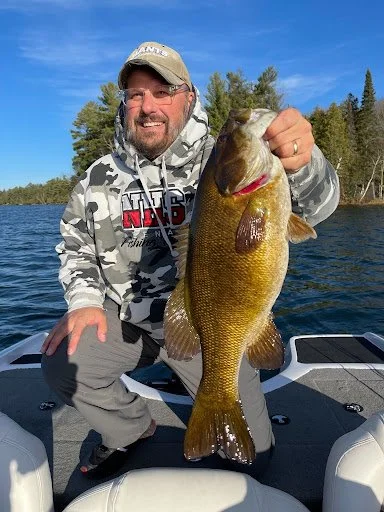
Dr. Titus Seilheimer
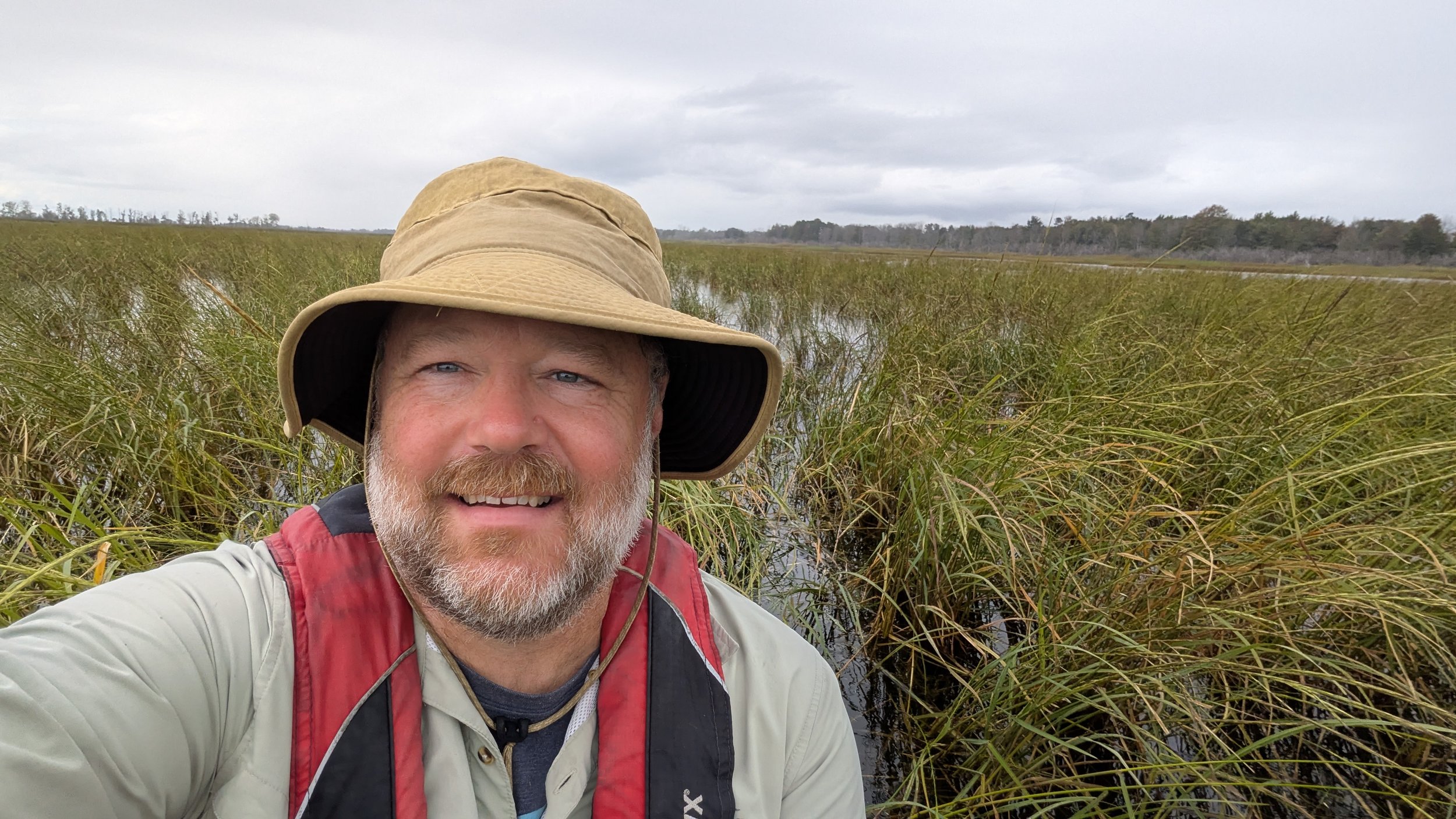
Dr. Titus Seilheimer is a fisheries specialist with Wisconsin Sea Grant and is based in Manitowoc, Wisconsin. He grew up playing in the lakes and woods of northwestern Wisconsin where he developed an interest in ecology. He went on to earn Biology degrees from Lawrence University (Appleton, WI) and McMaster University (Hamilton, Ontario). Dr. Seilheimer worked at Oklahoma State, Cornell University, and for the U.S. Forest Service before arriving at Wisconsin Sea Grant in 2012. He has lead research projects on the Great Lakes for 25 years and has worked (and swam) on all five lakes. His work includes projects on coastal wetlands, stream restoration, migratory fish, and aquaculture. Dr. Seilheimer is an author on 14 peer-reviewed articles, as well as more than 20 other publications. He has shared his research and stories about the Great Lakes through more than 85 conference presentations and more than 200 technical and public presentations. He has mentored more than 40 students. He serves on many committees, including in leadership roles, at local, regional, and national levels. He lives in Manitowoc with his family and is less than a mile from the lake.
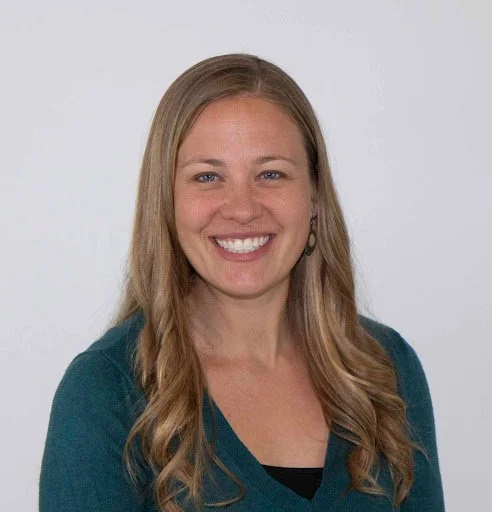
Andrew LaPlant
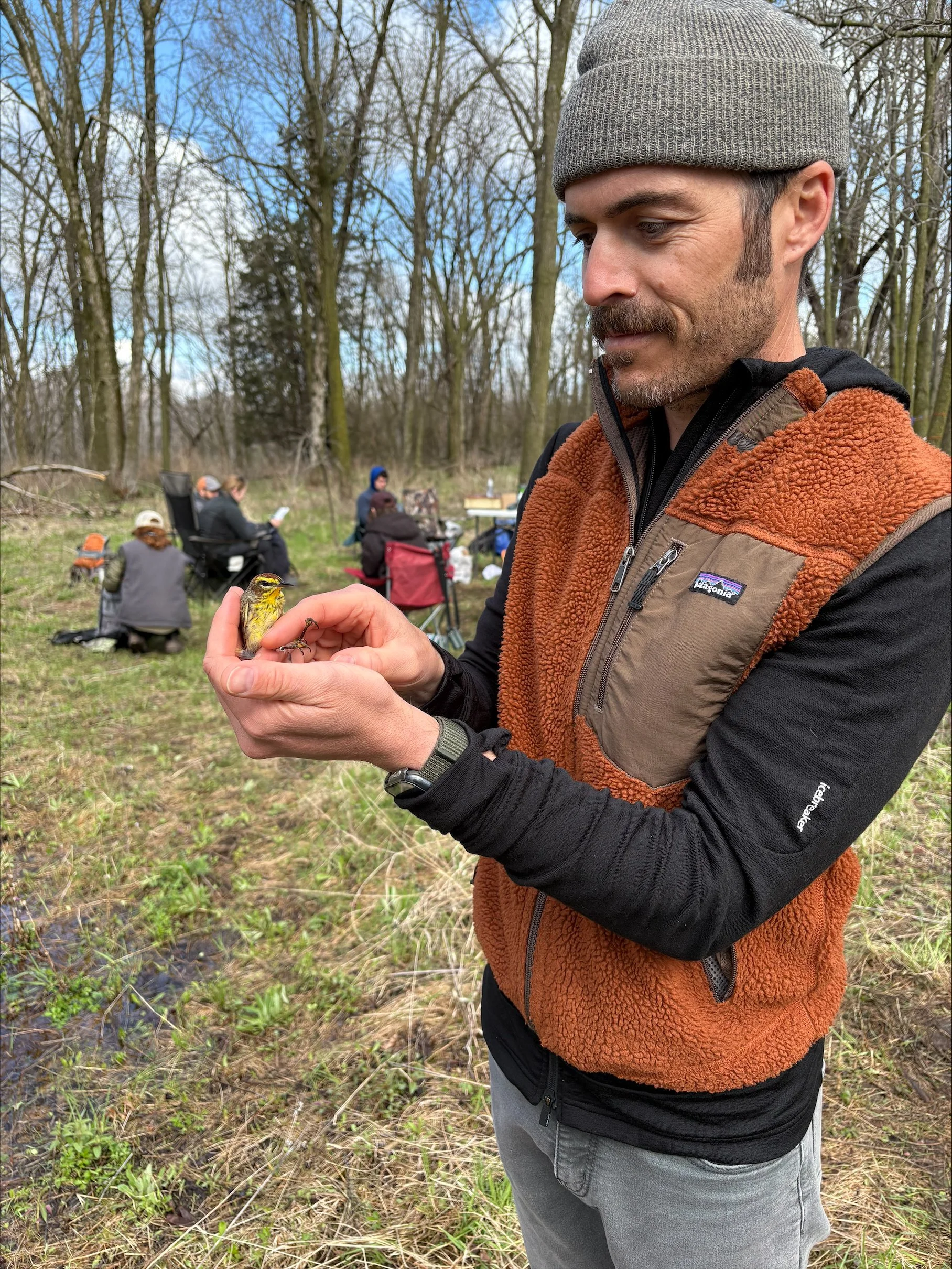
Andrew LaPlant has dedicated more than fifteen years to plant community management and ecological restoration, with a primary focus on conserving and enhancing natural areas throughout northeast Wisconsin. As Natural Areas Manager for the Cofrin Center for Biodiversity at the University of Wisconsin–Green Bay, he leads stewardship efforts across five natural areas spanning Brown, Door, and Manitowoc counties, working to protect, restore, and enhance diverse ecosystems across the region.
In this role, Andrew develops and implements land stewardship programs that promote ecosystem health and biodiversity, including invasive species management, prescribed fire, native plant establishment, habitat restoration, and ecological monitoring. He also supports field-based research conducted by students, staff, and faculty, helping advance the understanding and conservation of regional ecosystems.
Beyond land management, Andrew facilitates outdoor classroom experiences and educational field trips that connect students and community members with the natural world. He mentors student assistants and volunteers, fostering hands-on learning opportunities and cultivating the next generation of conservation professionals and environmental stewards. Through his work, Andrew has helped build a culture of conservation, stewardship, and engagement across the UW–Green Bay community and the Lake Michigan Basin.
Seven Rivers Soil Cooperative
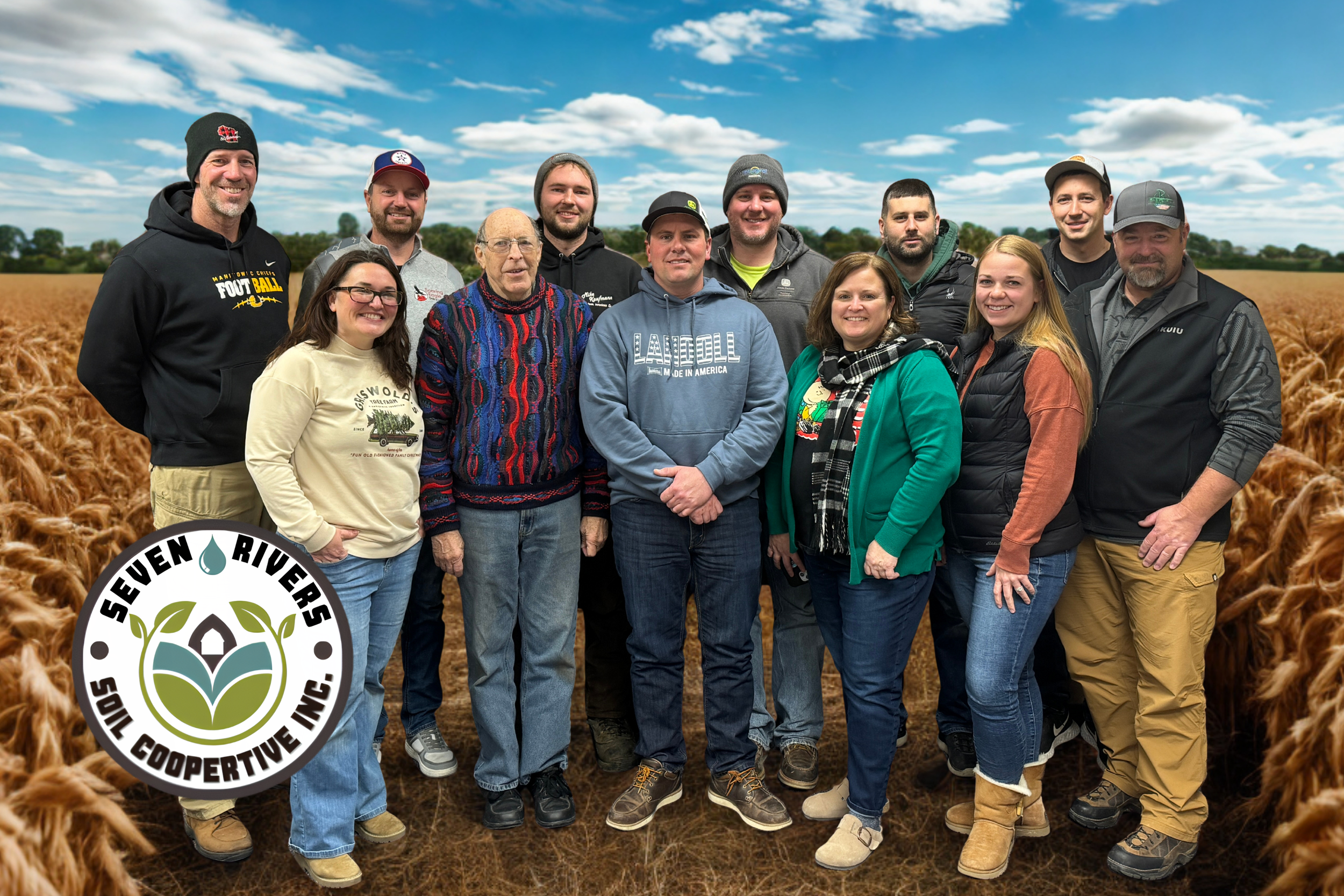
Founded by farmers and guided by farmers, the Seven Rivers Soil Cooperative was created to help producers learn from one another and implement conservation practices that protect the environment and make sense for their operations.
What began with a handful of founding members managing roughly 10,000 acres, it has now grown to more than 30 farmer members representing over 44,000 acres across Manitowoc County. Through farmer-led workshops, field days, demonstration projects, and peer-to-peer networking, Seven Rivers provides practical opportunities for producers to share experiences, test new ideas, and improve soil health and water quality.
In 2025 alone, cooperative members planted more than 11,600 acres of cover crops, managed over 8,400 acres of no-till, and implemented reduced tillage on nearly 10,000 acres. Together, these efforts prevented an estimated 21,603 tons of soil (that’s 216 dump trucks of soil) from leaving farm fields and reduced phosphorus losses by more than 31,000 pounds annually.
Beyond the numbers, Seven Rivers demonstrates the power of farmers leading farmers. By building relationships, sharing knowledge, and supporting innovation, the cooperative is helping create a more resilient agricultural community while protecting the natural resources that sustain it.
State Senator Chris Larson
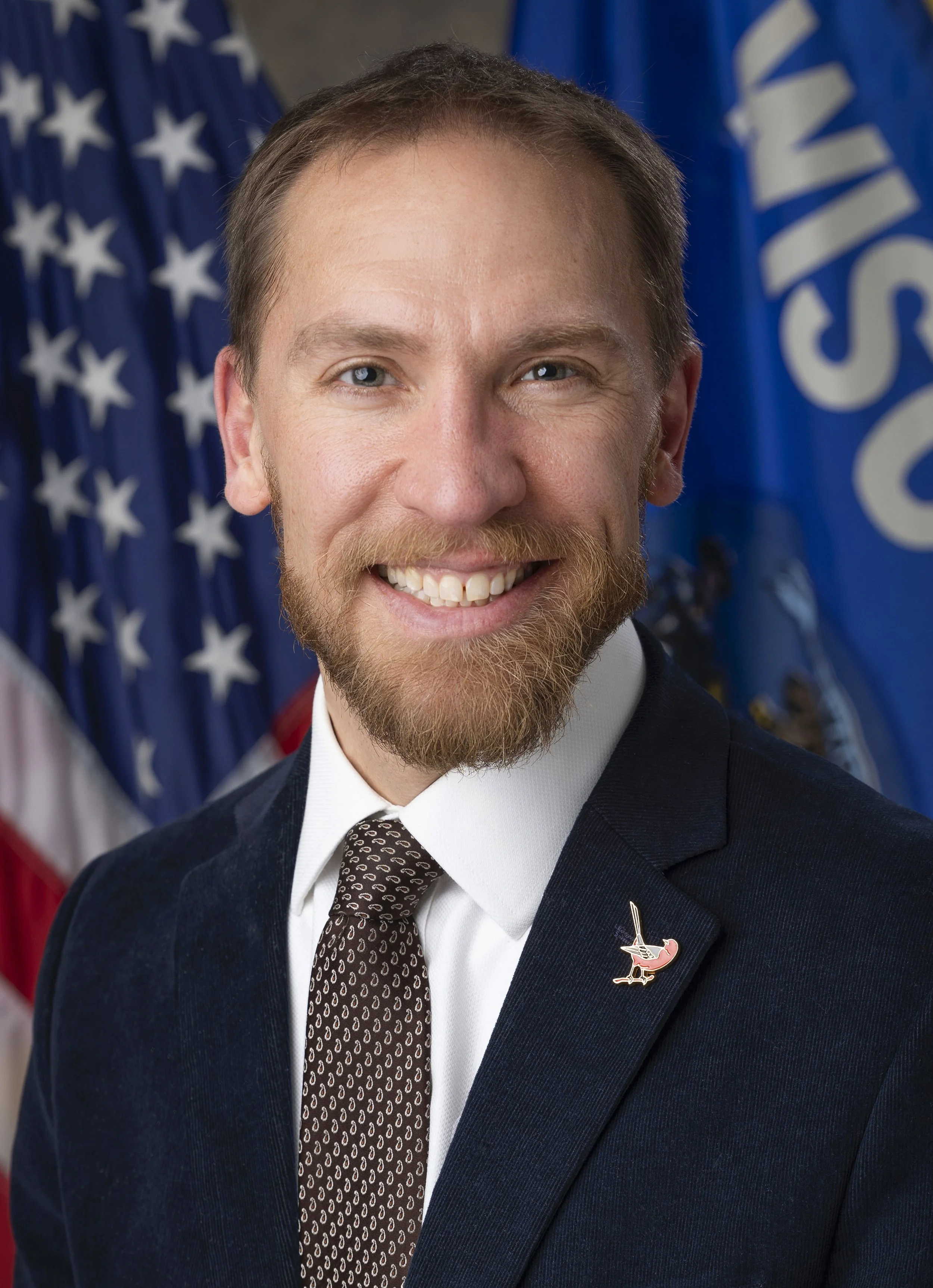
Chris Larson was born and raised in Milwaukee County. He graduated from Thomas More High School, where he was captain of the Cross Country team. He then attended the University of Wisconsin-Milwaukee and graduated with a degree in Finance and a minor in Political Science.
In 2008, he successfully ran for Milwaukee County Supervisor on a platform of fully funding our parks and transit system. He got his start in state politics in 2010 by defeating an entrenched incumbent from his own party who did not support a woman’s right to choose and refused to support efforts to fight climate change. He has been a champion of progressive causes ever since, and was one of the “Wisconsin 14” who fled the state in an attempt to block Governor Scott Walker’s attack on public employee unions in 2011. He is currently serving his fourth term in the State Senate and is Chair of the legislature’s Milwaukee Delegation.
Chris resides in Bay View with his wife Jessica, children Atticus and Stella, and dog Donut. An avid runner, he has completed over 30 marathons and has a long-term goal of running a marathon in every state.
Chris is active in his community as a member of numerous neighborhood groups, including: American Civil Liberties Union; UW-Milwaukee Alumni Association Board Member 2013-2019; Citizen Action of Wisconsin Co-op Founding Member; Community Board Member of the Adolescent Brain Cognitive Development Study; Wisconsin Conservation Voters; League of Conservation Voters; Bay View Neighborhood Association; Planned Parenthood Advocates of Wisconsin; Sierra Club; Humboldt Park Friends; South Side Business Club of Milwaukee; Bay View Historical Society; Arbor Day Foundation; Tri-Wisconsin; Badgerland Striders; Bay View Lions Club; Lake Park Friends; MPTV Friends. He is a former member of: the Airport Area Economic Development Group; Young Elected Officials; Coalition to Save the Hoan Bridge (co-founder); and WISPIRG (campus intern).
2026 Lake Michigan Champions of Conservation Selection Committee: